
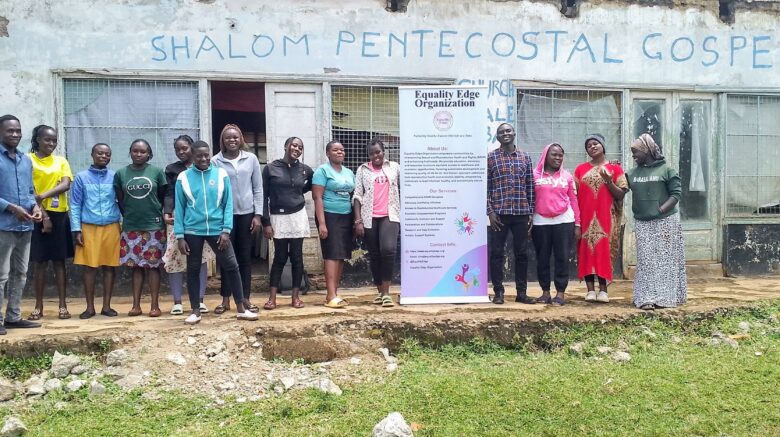
In Kakamega County, the retention of girls in school is a pressing issue that continues to hinder their potential and opportunities for a brighter future. Despite efforts to improve educational access, many girls still face significant barriers, including inadequate Sexual and Reproductive Health and Rights (SRHR) education. Addressing this challenge is crucial to ensuring that girls not only stay in school but thrive academically and personally.
The Importance of SRHR Education
SRHR education equips girls with the knowledge and skills needed to make informed decisions about their bodies and futures. It covers vital topics such as puberty, menstrual health, contraception, and the prevention of sexually transmitted infections (STIs). In Kakamega County, where cultural taboos and misinformation often surround these topics, SRHR education becomes a powerful tool for breaking the cycle of early pregnancies, forced marriages, and school dropouts.
Barriers to Retention
Many girls in Kakamega County drop out of school due to early pregnancies, a lack of menstrual hygiene products, and limited access to SRHR information. Without proper guidance and support, these young girls are left vulnerable to making life-altering decisions that could derail their education. The stigma attached to SRHR issues further exacerbates the problem, leading to shame and isolation.
The Role of Equality Edge Organization
Equality Edge Organization plays a pivotal role in addressing these challenges head-on. Through its targeted programs like Pathways to Success: SRHR Access for School Retention, the organization works tirelessly to provide comprehensive SRHR education to girls across Kakamega County. By partnering with schools, local healthcare providers, and community leaders, Equality Edge ensures that girls receive accurate and age-appropriate information. Additionally, the organization advocates for policy changes that support girls’ education and health, while also providing menstrual hygiene products and creating safe spaces for girls to learn and grow.
A Path Forward
To retain girls in school, Kakamega County must prioritize comprehensive SRHR education as part of the school curriculum. This includes training teachers to deliver accurate and age-appropriate information, providing access to menstrual hygiene products, and creating safe spaces where girls can ask questions and seek help without fear of judgment. Community engagement is also essential; parents, guardians, and local leaders must be involved in supporting girls’ education and understanding the importance of SRHR.
The Impact
By integrating SRHR education into the school system, Kakamega County can significantly reduce the rate of early pregnancies and school dropouts. Girls who are informed and empowered are more likely to stay in school, complete their education, and pursue their dreams. Moreover, when girls are educated, they are better equipped to contribute to their communities’ social and economic development, breaking the cycle of poverty and inequality.
Conclusion
Investing in SRHR education for girls in Kakamega County is not just a matter of health—it’s a crucial strategy for ensuring that every girl has the chance to succeed in school and beyond. With the unwavering support of Equality Edge Organization, we can overcome the barriers that prevent girls from staying in school, and together, create a more equitable and prosperous future for all. The time to act is now.
Written by Angela Mideva